THE HISTORY
The history of the Klerks & Persoon families
Two families, two very different fates. One remained rooted for centuries in the same Brabant clay; the other was scattered by misfortune across three continents. This is the story of how those two threads, after long wanderings, finally came together.
The Klerkses: rooted in the Elshout clay
Around the year 1600 there lived in the village of Elshout, under the manor of Oud-Heusden, a certain Goossen Clerkx. Whom he married has not come down to us; but we do know that his descendants run in an unbroken line to this very day. From him onward, there has always been a Klerks.
Generation after generation the Clerckxes worked the land around Elshout, Drunen, Baardwijk and Waalwijk, the row of villages that together form the Langstraat. The name itself shifted with the centuries, from Clerckx to Clerx to Klerks, until a judge in 1882 fixed the spelling once and for all with a "ks". They were Catholic farmers; their names appear in the baptism, marriage and burial registers, and in a yellowed petition from 1783, when the orphaned children of Gerrit Clerx and Adriaantje Coenen were assigned a guardian.
The oldest original documents in this archive reach back into the seventeenth century. In March 1685 Jan Goossenss Clercx, a son of Goossen and a brother of the forefather Lambert, bought a house with a little over three hont of land at Elshout for 265 guilders. Jan remained childless, and when he died there his nephews and nieces divided his estate by blind lottery in 1707. That deed names them one by one: Goosen, Arien, Jan, Willem and "Leske", the children of Lambert, together with the Elshout fields "in de Maeije" and "op de Schans" that they shared out among themselves. In an elegant seventeenth-century hand, the earliest circle of the family stands recorded in black and white.

After that early-eighteenth-century division the family simply stayed where it was, generation after generation, on the same clay. They earned a nickname that would outlast the centuries: "de Klaaien", a name that probably goes back to Johannes Kleijberg, whom the widow Petronella van de Wiel remarried around 1808 after the Klerks forefather Adrianus Clerx had died; the nickname "Klaai" is thought to derive from "Kleijberg". They ploughed and harvested, lost many of their children young, and stayed. Godefridus the farmer, in his house B.294 in Drunen. His son Arnoldus, who married the maidservant Gijsberdina van Son. His son Leonardus, of whom an old list with twelve children and a twenty-five-year marriage has been preserved. And finally Jan, or Johannes, born in Drunen in 1914, a farmer like his forefathers. Four centuries on one patch of earth: the Klerkses were like a river that never left its bed.


The Persoons: scattered by misfortune
With the Persoon family the contrast could hardly be greater. Their line runs through North Holland and across the German border. Cornelis Persoon, born in Bennebroek in 1849, was in turn a milk seller, publican and farmer; twice a widower, he raised a large family around Haarlem and Schoten. His son Pieter, a stoker on a steam trawler, married Anna Giesen from Dülken in Germany. Their children were born wherever the father's work took him: in Gladbach, in Neuwerk, in Doverheide, in Spaarndam.


And then, in 1913, everything collapsed. In a house on the Visserseinde in Spaarndam the family fell apart. The six children, the youngest not yet a year old, were found in wretched conditions; the mother left, the father vanished to Germany, and a Haarlem court stripped both parents of parental authority. The children were cared for and distributed among various foster families, and so drifted apart.
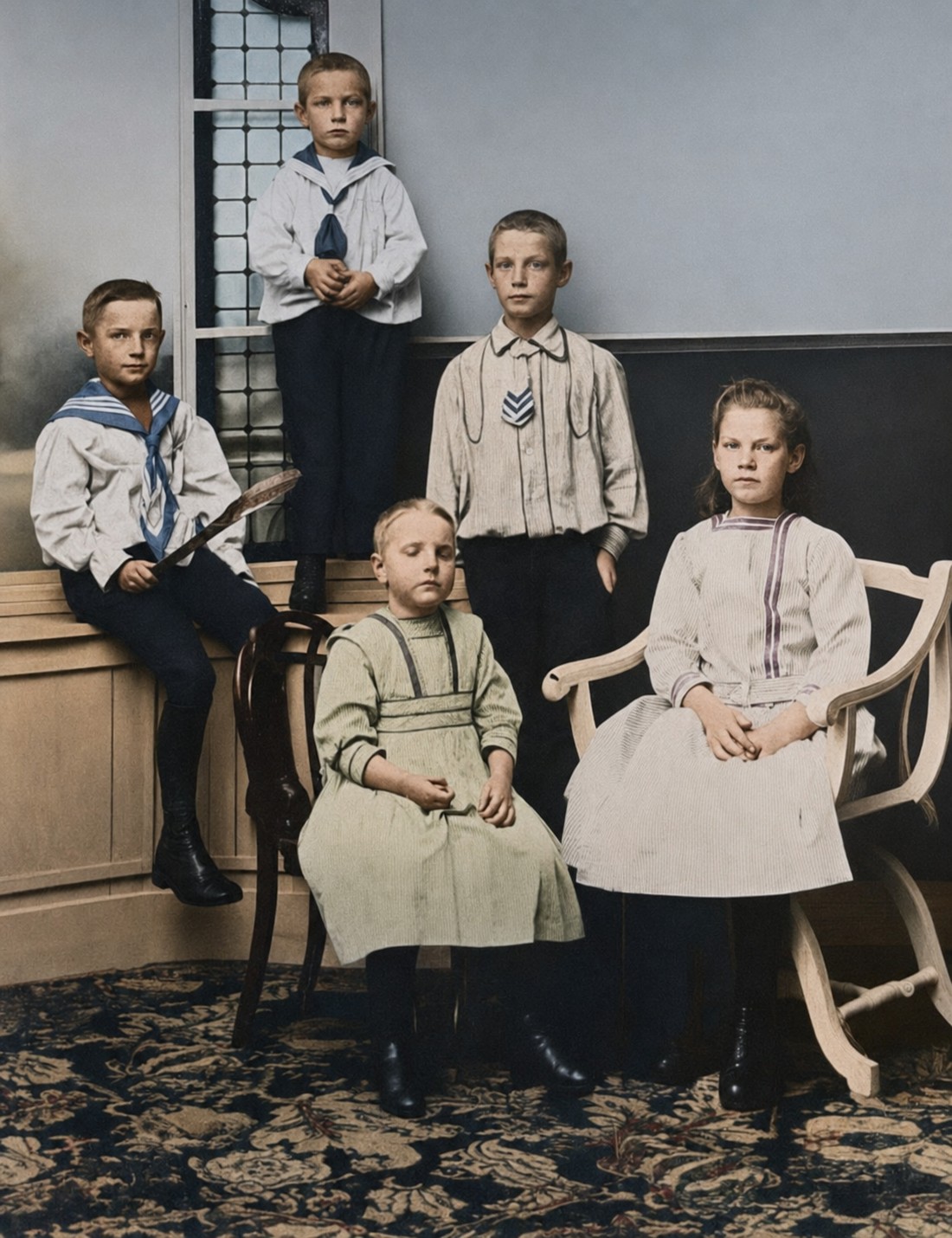
Some traces remained visible. The children of the elder brother Leo crossed the ocean to Palatine, in the American state of Illinois. And a girl of three, Henriëtte, called "Dina" in the family, was placed with a foster family and ended up, like her brother Leo, in the Langstraat. But two of the boys vanished from view entirely.
The mystery of the vanished brothers
Of the six children, two remained untraceable: Josef, born in 1903, and Henk, born in 1905. In the 1913 guardianship file and in the later research of Leo Klerks, who was still writing to the American branch in 1986 and 1988, both brothers were simply recorded as "missing". Leo searched for them for years, but found nothing. The certificates, however, reveal where the two boys ended up: on 29 August 1913 they were placed together in the Groenestein institution in The Hague, from where their lives took very different courses.
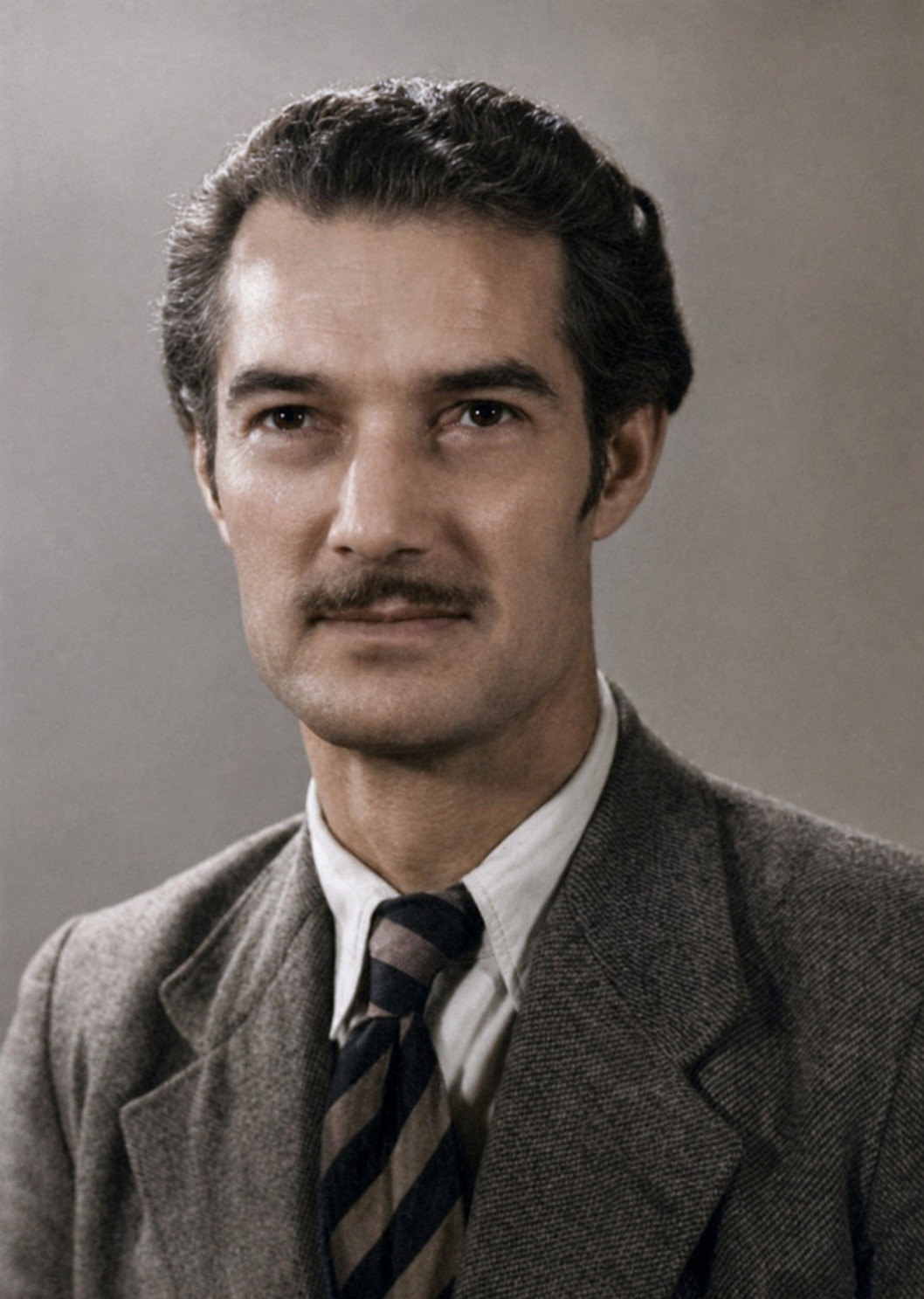
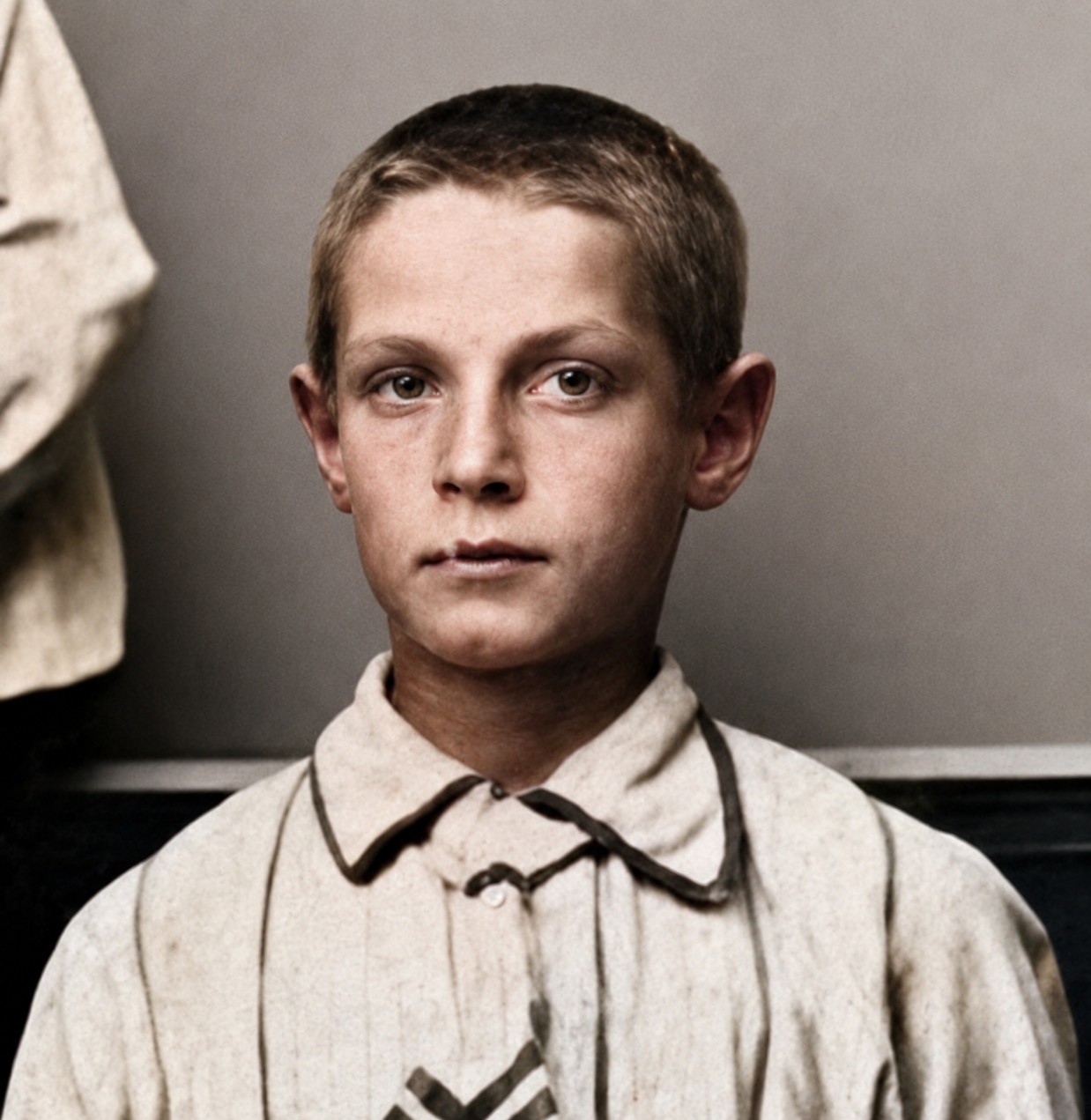
The younger of the two, Henk, was out of sight for a long time after the family broke up, but resurfaced from Germany in Amsterdam in 1927, where he moved in with his father Pieter. He became an art painter and in 1935 married Maria Hurkens; together they had a son, Hans. During the war he was put to work in Germany, and in June 1944 his marriage was dissolved.
A few years later he joined the great postwar wave of Dutch emigrants to Australia. Around the end of April 1951 he sailed from Rotterdam aboard the SS Sibajak, together with Elizabeth Schuurhof, whom he would marry; the first marriage of each of them had been dissolved in that very same month of June 1944. They landed at Melbourne in June 1951, lived at first in Queensland, and later settled at Dee Why near Sydney. His former wife Maria and their son had emigrated as well, but to the state of Victoria, where Maria died in 1960. Henk himself died in 1963 under the anglicised name Harry Peerson, in Sydney; his son grew up in Australia under that same name Peerson and married the German migrant Inge Danger. So one of the "missing" brothers had, after all, lived out his life on the other side of the earth.
The second, Josef, had in fact stayed close to home. He became a carriage painter in Amsterdam and married there in 1929 to Emma Rosalie Bison, a young woman from Bottrop in Germany. His life did not last long: he died as early as 1933, not yet thirty. Remarkably, both vanished brothers had become painters, each in his own place, far out of the family's sight.
Only a century later, thanks to the certificates and family trees now surfacing, are their traces being picked up again, and the two names that for so long read only "missing" are getting their own story back.
Where the two threads meet
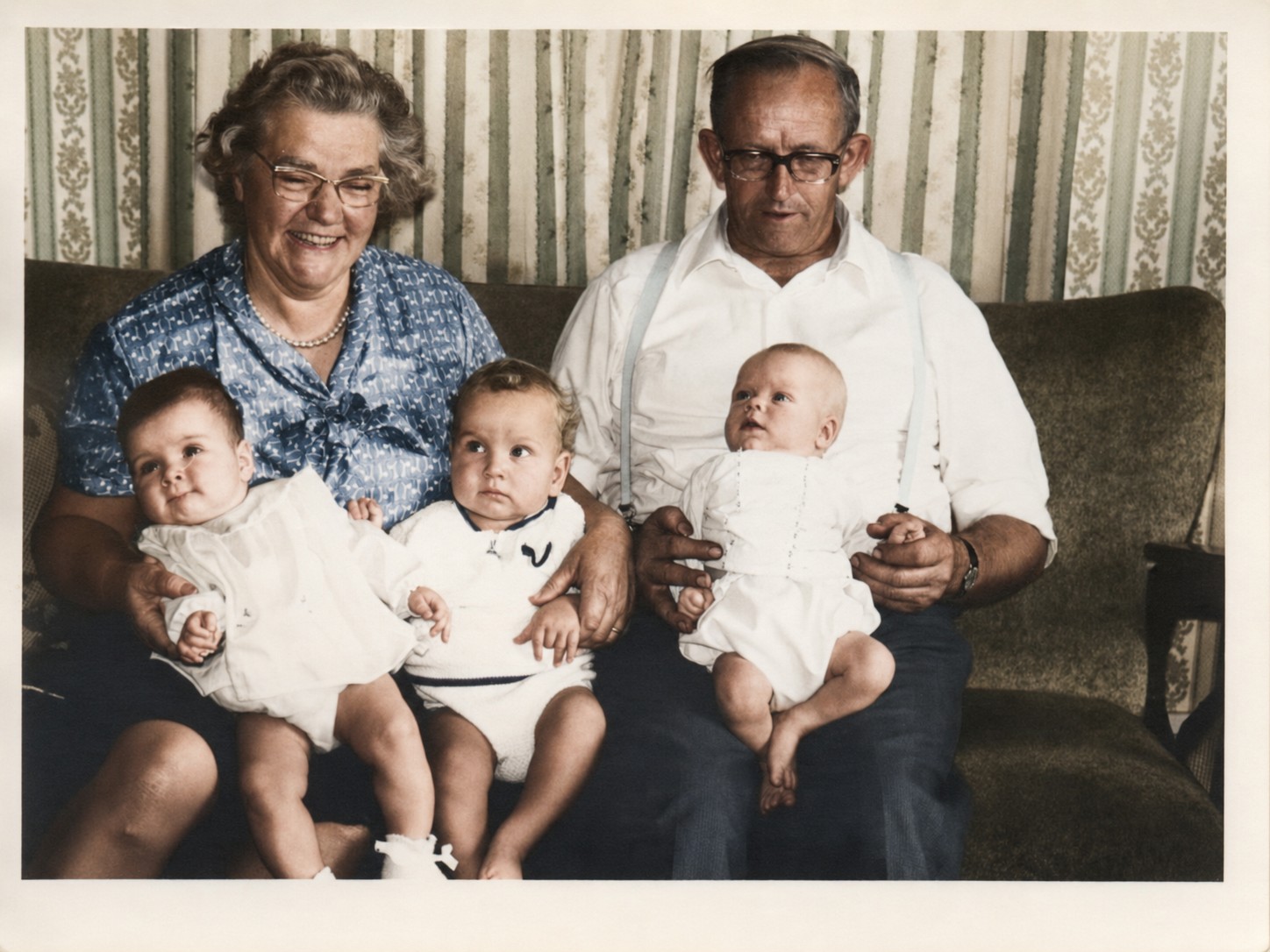
And right there, in that same strip of Brabant villages where the Klerkses had farmed for three hundred years, Dina grew up, close to the deep-rooted Klerks son Jan. The river that had never left its bed and the child that had drifted in from far away came to lie side by side.
On 27 August 1942, his own twenty-eighth birthday, Jan Klerks married Dina Persoon in Drunen. Two histories, one of unshakeable belonging and the other of loss and wandering, flowed together into one family. Together they had eight children.